| Videos | ? Latest |
|
? Feature | ? Sports | ? Your Videos |

U.S. halts Japan food imports
 0
0 


The nuclear crisis in Japan has left the global community heavily-concerned about Japanese food products. The United States says it will block imports of milk and fresh produce from areas of Japan, near the crippled nuclear power plant.
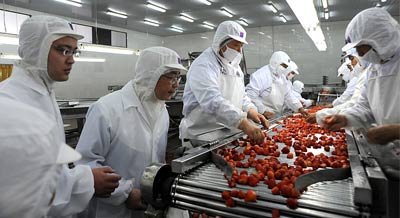
And South Korea may be the next. The country said it's actively considering banning food imports from Fukushima and three nearby prefectures, due to concerns of possible radiation contamination. Earlier this week, France asked the European Commission to look into harmonizing controls on radioactivity in imports from Japan.
The United States has become the first country to block food imports from Japan's radiation affected regions, as international concern grows over the nuclear crisis.
The Food and Drug Administration (FDA) halted milk, vegetable and fruit imports from areas near the tsunami-smashed nuclear plant, raising the prospect of other nations joining the ban.
The move prompted an appeal from chief cabinet secretary Yukio Edano for buyers not to over-react, and to respond logically.
Yukio Edano, Japanese Chief Cabinet Secretary said "We're going to properly inform foreign governments with updated facts to allow them to effectively respond to the risks."
Japan said Wednesday above-safety radiation levels had been discovered in 11 types of vegetables from the area, in addition to milk and water, but continues to insist there is no danger to humans.
Japan itself has banned some food shipments from affected areas, and has urged residents not to eat leafy vegetables grown there.
Efforts to assuage the global community have also been complicated by latest reports from the stricken nuclear plant, where workers have been unable to work at one reactor due to high radiation levels.
Hidehiko Nishiyama from Japan's nuclear safety agency adds temperatures at another reactor are high, though not critical yet.
Hidehiko Nishiyama, Japan's Nuclear & Industrial Safety Agency said "Even though the temperature and the pressure are a little higher, that does not necessarily mean that there will be abnormalities in the nuclear plant, there is quite a lot of leeway. There is no need to panic, but if it keeps rising there is a chance that it might reach dangerous levels."
Plant operator Tepco reported success in restoring some power to vital cooling systems over the past two days, but says more time is needed before the reactors can be declared stable.


