Flip side of IPR protection
 0
0 


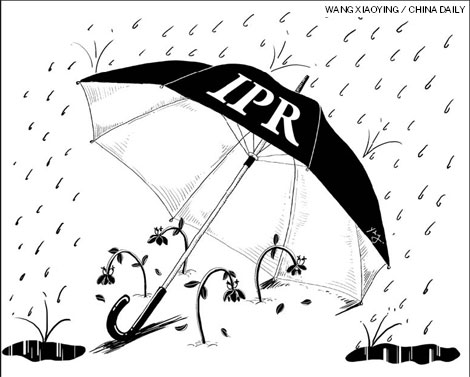
Champions of intellectual property rights (IPR) say it is the driving force of economic growth and technological innovation. China has made its legislators perfect IPR laws ever since it decided to embrace market economy, and asked its law-enforcement agencies to ensure that they are properly implemented and protected. The country's increasing foreign trade has further strengthened this demand, and the government and judicial authorities have made great efforts to perfect the IPR system.
China has enacted and implemented a series of laws and regulations on IPR protection and issued the Outline of the National Intellectual Property Strategy in 2008. Its judicial authorities at various levels continue to crack down on people and companies violating IPR. On the whole, the country has made considerable progress both in legislation and enforcement of IPR laws.
But the purpose of an IPR system is not only to protect intellectual property, but also to encourage innovation, maintain social justice and thus promote comprehensive economic and social progress.
The present tendency to lay undue emphasis on intellectual property both at home and abroad may go against the original intention of an IPR system. Some practices and disputes in the United States and other Western countries have taught a lesson to China, rather than being experiences worthy of emulation.
The fundamental driving force of innovation is competition, while IPR protection in substance is a kind of monopoly. Monopoly can provide incentives for innovation, but it can also prompt former innovators to gain high return by relying on the products they have already innovated, rather than pushing them toward further innovation. Such a situation will ultimately weaken the power of technological innovation.
Moreover, a stringent IPR protection system will encourage enterprises to take moral risks. To maintain their competitive edge, some enterprises can use a strict IPR system to set up barriers for their competitors.
Some scholars describe the IPR disputes raised by developed countries against developing countries as "removing the ladder of development of developing countries". Enterprises in developed countries often erect trade barriers against their foreign competitors, especially those from developing countries, in the name of "infringement of intellectual property".


