Gov't could determine extent of wealth disclosure
- By Elaine Duan
 0 Comment(s)
 Print
Print E-mail China.org.cn, March 13, 2012


Wealth disclosure is going to take some time and depends on the government's determination to implement the policy instead of relating to any possible technical or legislative difficulties with the policy, Chi Fulin, head of the China (Hainan) Institute for Reform and Development, said during an interview with The Beijing News.
 |
|
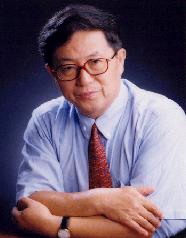
Chi Fulin, head of the China (Hainan) Institute for Reform and Development. [File Photo] |
Chi cited a group of data from a World Bank report, saying that 5 percent of the US families hold 60 percent of the nation's overall personal wealth, while 1 percent of Chinese families make up for 41.4 percent of the country's overall personal wealth.
The Government Work Report this year reiterated "reform" 70 times, but according to Chi, the reform of the income distribution system should become the government's first priority as it is of the biggest concern for average people and will affect social equality.
The experiences of many other countries have shown that a society with more transparency in personal incomes gets more stable, Chi said.
However, wealth disclosure requires a taxing based on personal wealth and is thus set to challenge the current tax system, Chi said. The policy also involves the reform of government management and shall begin with the government officials as to avoid possible corruption.
Five years ago, there were some deputies to the National People's Congress who proposed disclosing the government officials' wealth. But so far, government officials have only been required to report their wealth.
According to Chi, the government is bound to face tremendous pressure and resistance regarding this interest imbalance. He valued a national-level plan of reform as utmost important and suggested re-establishing a reform coordination agency beyond any?sector's, industry's or region's interests, such as the State Economic Restructuring Commission founded in 1982 with the Premier of the State Council acting as its head.
Since the reform of government ministries in 1990, China has been undergoing administrative restructuring, during which deadlocks often arise concerning related issues.
Chi commented that administrative restructuring is a best way out for the nation's overall reform because it is interconnected with economic restructuring and social management reform.
The central government structural reform has changed the division of ministries in format, but failed to separate government functions from decision-making to implementation and supervision, as an example he mentioned the Ministry of Railways, which acts as a governmental body, an operator and a railway security regulator all in one.
Luckily, Shenzhen City has started the above-mentioned division of administrative functions on a trial-basis, albeit with a rough start, Chi said.
In fact, reform has now entered a critical stage, which urges a breakthrough within the coming decade to form a social system including equity and sustainable development, Chi said. Otherwise, the government will encounter more prominent social conflicts and greater pressures from abroad.
However, as a witness of the planned economy reform that started in China 30 years ago, Chi said he is confident about the future reform.


